






























12 Best Steps to Boost Machinery Performance with Grease Additives
Productivity, cost-effectiveness, and longevity depend on machinery performing as expected in today's rigorous industrial environments. One of the best approaches to this is using grease additives sensibly. Base greases combine these strong chemical components to enhance their properties, protect machinery, and prolong the life of metal gears and components.

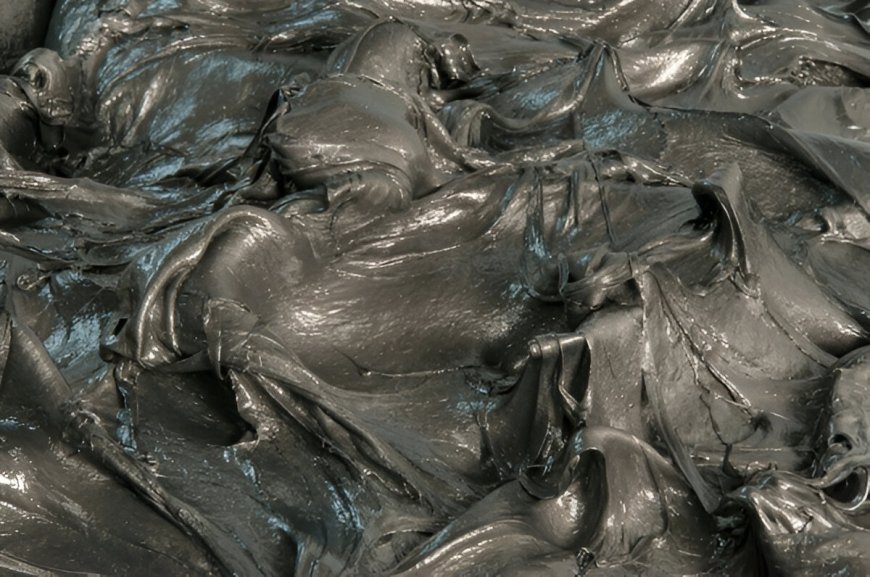
Productivity, cost-effectiveness, and longevity depend on machinery performing as expected in today's rigorous industrial environments. One of the best approaches to this is using grease additives sensibly. Base greases combine these strong chemical components to enhance their properties, protect machinery, and prolong the life of metal gears and components.
This blog lists the 12 best methods for enhancing machinery performance through the use of grease additives. It will guide your choice of the best grease for metal gears and help you understand how to make the most of grease lubricant additives.
Understand the Role of Grease Additives
Grease additives are specific chemicals added to lubricating grease formulations to enhance the performance of the grease. These compounds enhance several properties, including load-carrying capacity, water resistance, anti-wear ability, and oxidation resistance. Whether you handle heavy-duty metal gears or high-speed bearings, the correct grease lubricant additives can significantly impact the performance and lifespan of your machinery. The additives typically include:
- Tackiness agents
- Corrosion inhibitors
- Oxidation stabilizers
- EP (Extreme Pressure) additives
- Anti-wear agents
Choose the Right Base Grease
Choosing an appropriate base grease is crucial, even before focusing on additives. Base greases can be synthetic-based, polyurea, calcium, or lithium. The type of basic grease you choose affects how well the additives you use work. Synthetic base greases coupled with EP and anti-wear additives usually yield the most outstanding results for high-performance or heavy-load applications.
Look for choices designed for extreme pressure and high-load settings when selecting the best grease for metal gears; these may include additives such as graphite or molybdenum disulfide (MoS?).
Successful Mixing of Additives
It comes time to mix the grease and additives once the machine has been cleaned. One has to do this carefully. Too much additive will cause the grease to become either overly thick or, worse, fail to distribute evenly. If insufficient grease is used, it may fail to provide sufficient protection.
To achieve the ideal proportion, they should always adhere to the manufacturer's instructions. The additives could be in liquid or solid form. They must be combined precisely to operate as effectively as possible. Equally mixed guarantees that the grease will be able to run in every part of the machine.
Temperature Considerations
Temperature should be taken into account while using grease lubrication additives. Equipment operates at several different temperatures, and greases cannot withstand very high temperatures. Certain additives enable grease to work more effectively at high temperatures. Others prevent oil from thinning in cold conditions.
If the machine runs at high temperatures and the grease cannot withstand them, the components will swiftly degrade. On the other hand, if the grease thickens in cold conditions, the machine will fail. Ensuring the operational temperature range of the grease and additives ensures optimal performance.
Checking Compatibility
Not every additive or grease is compatible with another. Certain combinations can cause the grease to thin or thicken excessively, thereby reducing its protective power. Before launching a new product, one must first check whether the additive and the grease complement each other. A wrong mix might lead to less lubrication and increased wear. Most companies thus advise on which additives best suit their greases. Before use, compatibility tests ensure better computer performance and help prevent difficulties.
Enhance Load-Carrying Capacity with EP Additives
Extreme pressure is a standard feature in the operation of heavy machinery. In these situations, EP (extreme pressure) additives are vital. Under pressure, these chemicals chemically react with metal surfaces to create a protective coating that prevents direct metal contact and reduces wear.
Choosing the best grease for metal gears will almost always require high-quality EP additives, such as sulfur-phosphorus compounds or solid lubricants like MoS?, whether you are operating or maintaining gearboxes, excavators, or other heavy-duty machinery.
Extend Lubrication Intervals
High-performance grease additives have one of the primary advantages of increasing lubrication intervals. Thickeners, sealants, and tackifiers, among other additives, help the grease stay in place and prevent it from being washed away or thrown off during operation. This results in fewer maintenance stops, less downtime, and fewer general costsall the while shielding gear from damage and inefficiency.
Protect Against Rust and Corrosion
Machines are prone to rust, corrosion, and oxidation in damp or humid conditions. These elements can rapidly deteriorate performance and need expensive repairs or replacements. Outdoor or marine uses depend critically on grease lubricant additives, including moisture-displacing agents and corrosion inhibitors. Applying greases, including corrosion-protective compounds, forms a barrier protecting metal surfaces from chemical and moisture damage.
Monitor Grease Compatibility
Combining multiple greaseseven those with excellent additive propertiescan lead to chemical incompatibility, resulting in grease separation, reduced performance, or complete lubrication failure. Check the compatibility of base oils and thickeners before adding a new grease or additive to ensure optimal performance. See a lubrication expert or use greases that fit the NLGI (National Lubricating Grease Institute) compatibility chart.
Utilize Solid Additives for Extreme Conditions
Solid grease additives offer unparalleled protection for machinery subjected to high-friction, shock loads, or boundary lubrication conditions, such as metal-on-metal contact. Even when the oil film breaks down, additives such as graphite, PTFE (Teflon), and molybdenum disulfide are included, creating a persistent lubricating layer.
In slow-moving bearings, heavy-duty gears, and situations where traditional oil film lubrication would be insufficient, solid lubricants are beneficial. For metal gears used in mining, construction, and industrial operations, these formulas are generally regarded as the best grease.
Reapplying Grease When Necessary
All grease will ultimately have to be replaced. Even the best grease ages and loses effectiveness. The machine, workload, and surroundings all affect the timing of reapplying grease. When a machine starts to run sloppily or becomes noisy, new grease with the proper additives should be applied. A lubrication plan helps maintain machinery in good operating condition and prevents damage.
Storing Grease Properly
Furthermore, the storage conditions of grease affect its efficiency. Grease should be stored in a dry, cool location before use to prevent degradation and ensure optimal performance. Lowering the effectiveness of grease due to temperature and humidity causes it to break down. After use, grease containers should always be adequately sealed to prevent spills. New, well-kept grease performs the best.
Wrapping Up
Not only is it an optional improvement, but grease additives are also indispensable tools for maintaining current machines. From enhancing load-bearing capacity to shielding against heat, water, and corrosion, grease lubricant additives play a crucial role in extending the lifetime and improving the efficiency of industrial equipment.
Using the best grease for metal gears, paired with targeted additives, ensures that your machines operate at their optimal performance, with fewer breakdowns and increased reliability, regardless of your operations in a high-speed manufacturing environment or the maintenance of heavy equipment in harsh field conditions.
Following the 12 steps described above, maintenance teams, engineers, and machine operators can proactively approach lubrication, utilizing grease additives to achieve exceptional performance, lower costs, and maintain flawless operations.
Always consult with lubrication professionals or refer to the equipment manufacturer's recommendations if you're unsure which grease or additive to use for a specific application. Making the correct decision now will help avoid significant mechanical problems later.







![Play99 Login & Registration Guide for Indian Users [2025 Update]](https://www.atlantanewsplus.com/uploads/images/202507/image_140x98_6870c1df7bfcd.jpg)


