Tracing the Transformation: The Evolution of Fabric Trends in Fashion
Trace fabric trends from ancient handwoven cotton to today’s smart textiles. Explore how fashion blends tradition, tech, and sustainability in every thread.

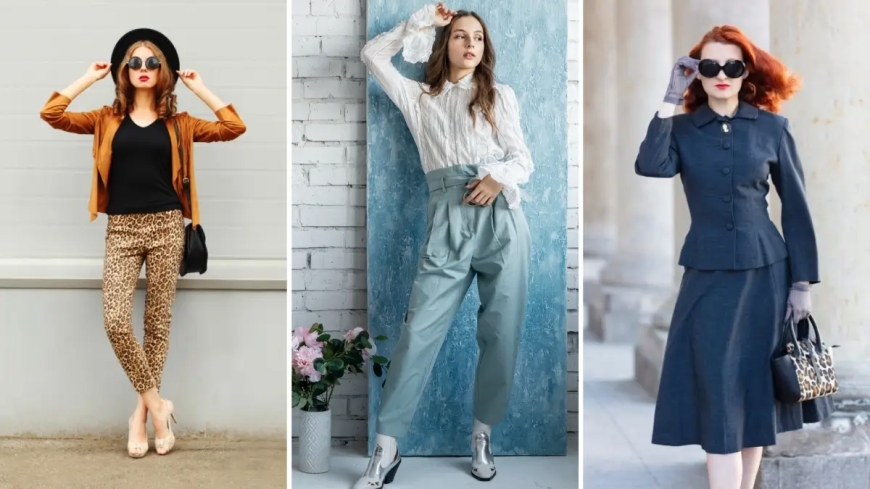
Fashion has always been a mirror to societys changing preferences, technology, and values. Among its many components, fabric plays a pivotal roledefining not only how clothing looks and feels but also how it tells a story. From ancient woven threads to futuristic performance materials, fabric trends have evolved alongside cultural shifts and innovations in manufacturing.
This blog delves into the timeline of fabric trends in fashionfrom their historical origins to the current era of sustainabilitywhile highlighting their influence on ethnic and everyday wear.
1. Ancient Times: Nature, Culture, and Handcraft
The journey of fabric trends begins in the earliest human civilizations. In the Indian subcontinent, natural fibers like cotton, silk, and wool formed the foundation of clothing. Cotton, known for its breathability and softness, was widely used due to the regions warm climate and rich agricultural base.
Silk, introduced through trade routes from China, soon became associated with luxury. Lightweight muslin and hand-embroidered chikan fabrics displayed a mastery of detail and aesthetics. These traditional techniques gave birth to garments like early versions of the kurta pajamasimple yet graceful and climate-appropriate.
2. Renaissance Opulence and Rich Fabrics
The Renaissance era brought with it a heightened interest in extravagance, especially in Europe. Fabrics such as velvet, brocade, and satin became symbols of wealth and status. Nobility adorned themselves in layered garments made from imported silks and heavy textiles, decorated with gold thread and jewels.
In South Asia, royal attire followed a similar pattern. Ceremonial and wedding garments featured luxurious brocades and handwoven silks, often tailored into elaborate garments for formal use. This period saw fabric as a direct expression of status, artistry, and craftsmanship.
3. Industrial Revolution: The Age of Machines
The 18th and 19th centuries marked a pivotal shift. With the advent of machinery like the spinning jenny and power looms, fabric production moved from artisanal to industrial. Mass production made textiles more accessible and affordable.
Fabrics cotton and wool were now available to wider populations. This era also introduced more structured clothing styles for mensuch as tailored suitswhile traditional wear like the kurta evolved in parallel. Even formal ethnic garments adapted by incorporating new materials like wool blends and factory-woven silks for special events.
4. 20th Century: Blending Innovation and Tradition
As the 20th century progressed, a burst of innovation gave rise to synthetic fibers such as polyester, nylon, and rayon. These man-made fabrics introduced flexibility, durability, and affordability, which transformed global fashion.
Ethnic wear adapted too. Traditional cotton kurtas were soon available in blends with polyester or rayon. Velvet, previously reserved for royalty, became more affordable and found use in formal ethnic pieces like sherwanis or embroidered jackets.
The ready-to-wear revolution enabled fashion to evolve quickly. Designers began experimenting with fabric combinations and introduced fusion clothingbringing traditional silhouettes together with Western tailoring, particularly in formal menswear.
5. Modern Era: Sustainability and Smart Textiles
As awareness of environmental issues grows, the focus has shifted toward sustainability. Fast fashions heavy environmental footprint has sparked a resurgence in eco-conscious practices. Organic cotton, bamboo, hemp, and recycled fabrics are now gaining popularity among both designers and consumers.
In ethnic wear, theres been a movement toward slow fashionwhere handcrafted techniques and environmentally friendly materials are preferred. Hand-dyed fabrics, block prints, and organic fibers are increasingly being used to produce pieces that are both stylish and sustainable.
Technological advancement has also brought smart textiles to the forefront. These include moisture-wicking, UV-resistant, and breathable materials that cater to both comfort and performance. Even formal traditional wearlike groom outfits or ceremonial jacketsis being designed with these innovative fabrics to ensure ease of movement and all-day comfort.
6. The Rise of Personalization and Designer Influence
Another notable trend shaping fabric choices is customization. Tailored ethnic outfits have become a popular way for individuals to express personality through specific fabric choices, patterns, or embroidery.
Modern garments such as a kurta pajama with a jacket, or fusion outfits combining Indian and Western elements, allow wearers to personalize their look. Custom fabrics, chosen based on event, season, or personal taste, give fashion a more intimate, made-for-you appeal.
This trend also means a wider variety of fabrics are used than ever beforeranging from raw silk and jacquard to lightweight linens and stretch cottonsall carefully selected to suit the wearer's comfort and visual goals.
7. Looking Forward: A Future Rooted in Innovation and Heritage
The future of fabric trends will likely lie at the intersection of innovation and tradition. With increasing global emphasis on environmental responsibility, the use of biodegradable, recyclable, and sustainable fabrics will only grow. At the same time, theres a renewed appreciation for heritage and craftsmanship, which ensures traditional weaves and artisanal techniques remain relevant.
Ethnic wear, in particular, will continue to blend the past and futurecombining historical silhouettes with smart fabrics and eco-conscious processes. Fashion is no longer just about styleits about mindful choices, cultural expression, and technological harmony.
Conclusion
From the hand-spun cottons of ancient civilizations to todays breathable, sustainable smart textiles, fabric trends in fashion reflect the ever-changing narrative of culture, innovation, and identity. Whether in ethnic wear or global fashion, fabric will always be more than materialit's a storyteller, woven into every thread.





![Play99 Login & Registration Guide for Indian Users [2025 Update]](https://www.atlantanewsplus.com/uploads/images/202507/image_140x98_6870c1df7bfcd.jpg)