Managing High Cholesterolemia in Dubai: Lifestyle Changes and Medical Treatments
Learn how to manage high cholesterolemia Dubai with lifestyle changes and medical treatments, including costs, results, and FAQs for better heart health.
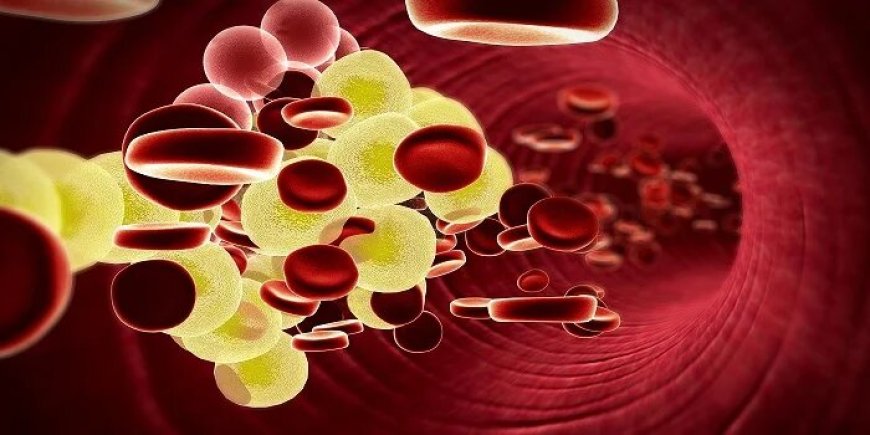
High cholesterolemia Dubaiis a growing health concern affecting many individuals, often leading to an increased risk of heart disease, stroke, and other cardiovascular issues. Managing high cholesterol is crucial to maintaining overall health, and a combination of lifestyle changes and medical treatments can significantly reduce the risks associated with this condition. In this article, we will explore effective strategies to managehigh cholesterolemia Dubai, including lifestyle changes, medical treatments, cost considerations, and the expected before and after results.
What is High Cholesterolemia?
High cholesterolemia Dubairefers to elevated levels of cholesterol in the blood, a condition that can lead to plaque buildup in the arteries, restricting blood flow and increasing the risk of cardiovascular diseases. Cholesterol is a fatty substance essential for the body, but when it is present in excessive amounts, particularly low-density lipoprotein (LDL) cholesterol, it can lead to serious health complications.
Types of Cholesterol:
- LDL Cholesterol: Often referred to as "bad" cholesterol, it can build up in the walls of arteries, leading to plaque formation.
- HDL Cholesterol: Known as "good" cholesterol, it helps remove LDL cholesterol from the arteries and protects the heart.
- Triglycerides: Another type of fat in the blood that, when elevated, can increase the risk of heart disease.
Managing High Cholesterolemia in Dubai
1. Lifestyle Changes
The foundation of managinghigh cholesterolemia Dubaibegins with adopting healthy lifestyle habits. Making changes to your diet, exercise routine, and overall lifestyle can significantly improve cholesterol levels and reduce the risk of complications.
a. Dietary Changes
A heart-healthy diet is essential for managinghigh cholesterolemia Dubai. Key dietary changes include:
- Reducing saturated fats: Found in red meat, full-fat dairy products, and processed foods, saturated fats can raise LDL cholesterol levels.
- Avoiding trans fats: Often present in processed and fried foods, trans fats can raise LDL and lower HDL cholesterol levels.
- Increasing fiber intake: Foods rich in soluble fiber, such as oats, fruits, vegetables, and legumes, help reduce LDL cholesterol.
- Incorporating healthy fats: Choose unsaturated fats found in olive oil, avocados, and nuts to help raise HDL cholesterol.
- Limiting cholesterol intake: While dietary cholesterol doesnt affect everyones cholesterol levels, its still important to limit high-cholesterol foods like eggs and shellfish.
b. Exercise
Regular physical activity plays a vital role in improving cholesterol levels. Engaging in activities such as walking, jogging, cycling, or swimming for at least 30 minutes a day can help raise HDL cholesterol and lower LDL cholesterol and triglycerides.
c. Weight Management
Maintaining a healthy weight is crucial for managinghigh cholesterolemia Dubai. Being overweight or obese can increase LDL cholesterol and triglyceride levels while lowering HDL cholesterol. Losing even a small amount of weight can have a significant positive impact on your cholesterol levels.
d. Quitting Smoking
Smoking can decrease HDL cholesterol levels, increase LDL cholesterol, and promote the formation of plaque in the arteries. Quitting smoking can improve your cholesterol levels and reduce your risk of cardiovascular diseases.
e. Reducing Alcohol Consumption
Excessive alcohol intake can raise triglyceride levels and contribute to high cholesterol. Limiting alcohol to moderate levels (one drink per day for women and two drinks per day for men) can help maintain healthy cholesterol levels.
2. Medical Treatments
In some cases, lifestyle changes alone may not be enough to managehigh cholesterolemia Dubaieffectively. Medical treatments are often necessary, especially when cholesterol levels remain elevated or when there is a high risk of cardiovascular disease.
a. Statins
Statins are the most commonly prescribed medications for lowering LDL cholesterol. They work by blocking a substance your liver needs to produce cholesterol, thereby reducing cholesterol levels in the blood.
b. PCSK9 Inhibitors
These medications are newer and are used for patients who have not responded to statins or have familial hypercholesterolemia (a genetic condition that causes very high cholesterol levels). PCSK9 inhibitors can significantly lower LDL cholesterol.
c. Bile Acid Sequestrants
These medications work by binding to bile acids, which are made from cholesterol, and preventing them from being reabsorbed into the body. This helps reduce cholesterol levels in the blood.
d. Cholesterol Absorption Inhibitors
These medications reduce the amount of cholesterol absorbed by the intestines, leading to lower cholesterol levels.
e. Fibrates
Fibrates are primarily used to reduce triglyceride levels, although they may also help improve HDL cholesterol.
3. Cost of Managing High Cholesterolemia in Dubai
The cost of managinghigh cholesterolemia Dubaican vary depending on the approach taken. Lifestyle changes such as diet and exercise are relatively low-cost options, but medical treatments can add up.
- Dietary consultations and fitness programs: These can cost anywhere from AED 500 to AED 2,000 per session, depending on the clinic and the programs duration.
- Medications: Statins and other cholesterol-lowering medications may cost between AED 100 to AED 500 per month, depending on the type of medication and whether its covered by insurance.
- Regular medical check-ups and cholesterol tests: Regular doctor visits and blood tests may cost around AED 200 to AED 500 each, depending on the clinic.
While the cost of medications and treatments may seem significant, the long-term health benefits of managinghigh cholesterolemia Dubaiand preventing heart disease make it a worthwhile investment.
Before and After Results of Managing High Cholesterolemia
Before:
- Elevated LDL cholesterol levels: High levels of "bad" cholesterol that increase the risk of heart disease and stroke.
- Increased triglyceride levels: Elevated triglycerides can contribute to plaque buildup in the arteries.
- Lower HDL cholesterol levels: Low levels of "good" cholesterol that do not effectively remove LDL cholesterol from the arteries.
After:
- Lower LDL cholesterol: A significant reduction in LDL cholesterol levels, reducing the risk of heart disease and stroke.
- Improved HDL cholesterol: Increased levels of HDL cholesterol, which helps to remove excess cholesterol from the bloodstream.
- Reduced triglycerides: A healthier level of triglycerides, contributing to better cardiovascular health.
- Improved overall heart health: Reduced risk of cardiovascular events and better long-term health.
5 Frequently Asked Questions (FAQs)
1. How long does it take to see results from lifestyle changes?
With regular exercise and dietary adjustments, you can expect to see improvements in your cholesterol levels within 6 to 8 weeks. However, it may take longer to achieve optimal results.
2. Can medications alone manage high cholesterol?
While medications like statins and PCSK9 inhibitors can help lower cholesterol levels, they are most effective when combined with lifestyle changes such as a healthy diet and regular exercise.
3. What is the target cholesterol level for a healthy heart?
The target levels for cholesterol can vary based on your overall health. Generally, an LDL level of less than 100 mg/dL and an HDL level of 60 mg/dL or higher are considered healthy.
4. Are there any side effects of cholesterol-lowering medications?
Some people may experience side effects from medications like statins, including muscle pain, digestive issues, or liver enzyme changes. Discussing potential side effects with your doctor is essential for managing any concerns.
5. Can high cholesterol be completely cured?
High cholesterol can be managed effectively with a combination of lifestyle changes and medication. While it cannot be fully "cured," maintaining healthy cholesterol levels can significantly reduce the risk of heart disease and improve overall health.
Conclusion
Managinghigh cholesterolemia Dubairequires a combination of lifestyle changes and, in some cases, medical treatments. By adopting a heart-healthy diet, engaging in regular exercise, and managing weight, individuals can significantly improve their cholesterol levels and reduce the risk of cardiovascular diseases. Medical treatments, such as statins and PCSK9 inhibitors, can further help lower cholesterol levels and improve heart health. While there is a cost associated with treatment, the long-term benefits of managing high cholesterol are invaluable for your health and well-being. If you're concerned about your cholesterol levels, consult with your healthcare provider to develop a personalized plan for managinghigh cholesterolemia Dubai.




![Play99 Login & Registration Guide for Indian Users [2025 Update]](https://www.atlantanewsplus.com/uploads/images/202507/image_140x98_6870c1df7bfcd.jpg)