






























Precision CNC Turning Services for Metals & Plastics
Explore CNC turning services and learn how precision machining delivers efficiency and versatility. Discover key materials, applications, and benefits with Myt Machining.
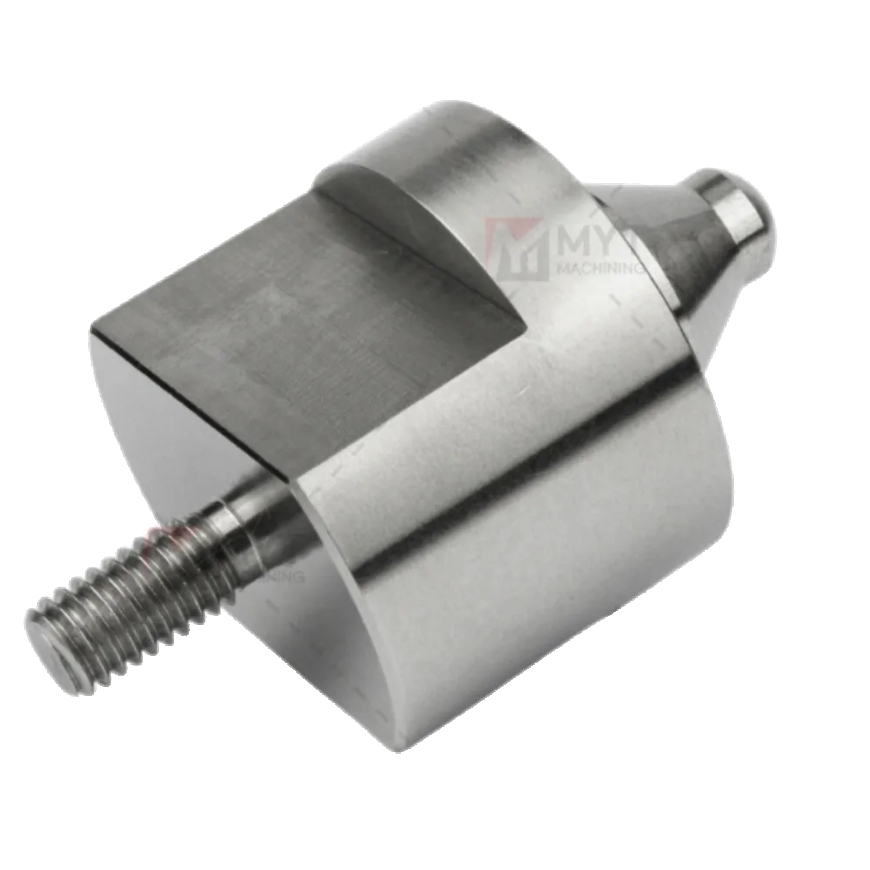
In todays fast-paced manufacturing landscape, precision, repeatability, and efficiency are non-negotiable. From aerospace to automotive and from electronics to medical equipment, the demand for high-quality machined components is stronger than ever. Among the most trusted and versatile manufacturing methods is CNC turninga process that continues to redefine productivity and precision for cylindrical parts. Companies seeking reliability and dimensional accuracy often turn to professional cnc turning services to meet their evolving production needs.
This comprehensive guide explores how CNC turning works, its core advantages, the industries it serves, and why outsourcing to specialized CNC turning service providers can significantly benefit your manufacturing strategy.
What Is CNC Turning?
CNC turning is a computer-controlled machining process where material is rotated while a stationary cutting tool shapes it into the desired geometry. The technique is ideal for producing round, tubular, or cylindrical components such as shafts, bushings, pins, and threaded parts.
Modern CNC turning machines, often known as CNC lathes, offer multi-axis control, high-speed operations, and advanced features like live tooling and bar feeders, making them capable of both simple and complex part production.
Key Components of CNC Turning Systems
To understand the strength of CNC turning services, it's important to recognize the major components involved in the process:
-
Chuck/Spindle: Holds and rotates the workpiece.
-
Tool Turret: Houses multiple cutting tools for sequential operations.
-
Control System: Interprets G-code and controls the entire machining process.
-
Tailstock (optional): Provides additional support for long workpieces.
-
Live Tooling (optional): Enables milling, drilling, or slotting operations on a turning machine.
These components work together seamlessly to create tight-tolerance parts with exceptional consistency and speed.
Advantages of CNC Turning Services
CNC turning offers numerous benefits that make it one of the most efficient and reliable machining methods available. Heres why manufacturers rely on CNC turning for a wide range of applications:
1. Precision and Repeatability
CNC turning provides outstanding dimensional accuracy, even in high-volume production. Tolerances as tight as 0.001 inches can be achieved reliably.
2. High Efficiency
Automated cycles and multi-tool turrets reduce human error and increase throughput. Once programmed, CNC machines can operate 24/7 with minimal supervision.
3. Flexibility Across Materials
CNC turning supports a wide range of materials including aluminum, brass, stainless steel, titanium, copper, and engineering plastics.
4. Versatile Part Geometries
From simple bushings to complex multi-feature components, CNC turning machines are capable of producing intricate geometries.
5. Scalability
CNC turning is ideal for both small-batch prototyping and high-volume production, offering scalability with consistent quality.
Common Materials Used in CNC Turning
One of the key strengths of CNC turning services is material versatility. Below are some commonly machined materials and their ideal applications:
Aluminum
-
Lightweight and easy to machine
-
Used in aerospace, automotive, and consumer products
Stainless Steel
-
Strong and corrosion-resistant
-
Common in food processing, marine, and medical applications
Brass
-
Highly machinable and aesthetically appealing
-
Ideal for electrical components and plumbing
Titanium
-
Lightweight with high strength and biocompatibility
-
Preferred in aerospace and medical industries
Plastics (POM, Nylon, PTFE)
-
Excellent for low-friction, lightweight parts
-
Used in electronics, fluid handling, and insulating components
Selecting the right material ensures optimal performance and cost-efficiency, and a reliable CNC turning provider can help guide that decision.
Typical CNC Turned Components
CNC turning is employed to produce parts that are symmetrical around a central axis. Common turned components include:
-
Shafts and axles
-
Bushings and bearings
-
Spacers and washers
-
Threaded fasteners
-
Valve components
-
Pins and rods
These components are found in virtually every mechanical system, from engines and gearboxes to robotics and automation assemblies.
The Role of Live Tooling in CNC Turning
Advanced CNC turning centers are often equipped with live toolingpowered tools that allow milling, drilling, and tapping operations without removing the workpiece from the lathe. This feature enhances flexibility and reduces lead times by eliminating secondary setups.
Benefits of Live Tooling:
-
Enables off-center and radial machining
-
Reduces setup time and handling
-
Enhances accuracy and alignment
-
Supports more complex part geometries
Live tooling transforms traditional CNC lathes into hybrid machines capable of handling multifunctional parts in a single operation.
Industries That Rely on CNC Turning Services
CNC turning is a backbone of modern manufacturing across many sectors. Below are just a few industries where CNC turning plays a critical role:
Aerospace
-
High-strength, lightweight components for flight systems and engines
Automotive
-
Precision parts such as pistons, connectors, and axles
Medical
-
Surgical tools, implants, and diagnostic equipment components
Oil & Gas
-
High-pressure fittings and corrosion-resistant pipe components
Electronics
-
Connectors, terminals, and sensor housings
Outsourcing CNC turning services allows companies in these sectors to reduce production risks while maintaining quality and consistency.
Why Partner with a CNC Turning Specialist?
Choosing a qualified CNC turning services provider is essential to ensuring that your components are produced on time, on spec, and on budget.
What to Look for in a Partner:
-
Material expertise across metals and plastics
-
State-of-the-art machinery with multi-axis and live tooling
-
Tight quality control for tolerance and consistency
-
Fast turnaround times and scalable production capacity
-
Design support for manufacturability and cost reduction
Myt Machining brings all of these attributes to the table, offering CNC turning services tailored to meet the needs of demanding industries.
Conclusion
Precision, efficiency, and versatility make CNC turning an indispensable method in modern part manufacturing. Whether you're developing aerospace shafts, medical implants, or high-volume industrial components, partnering with a trusted provider of cnc turning services ensures the highest standards of quality and reliability.
Myt Machining stands out in the industry by combining cutting-edge equipment, skilled machinists, and a commitment to delivering custom solutions across a wide range of materials and industries. For any business seeking scalable and precise machining, CNC turning remains a cornerstone of competitive manufacturing.






![Play99 Login & Registration Guide for Indian Users [2025 Update]](https://www.atlantanewsplus.com/uploads/images/202507/image_140x98_6870c1df7bfcd.jpg)


