

























Smart Fitness Apps vs Traditional Ones: How AI and IoT Are Changing the Game
Explore how AI and IoT are revolutionizing smart fitness apps compared to traditional ones. Discover the future of digital fitness.

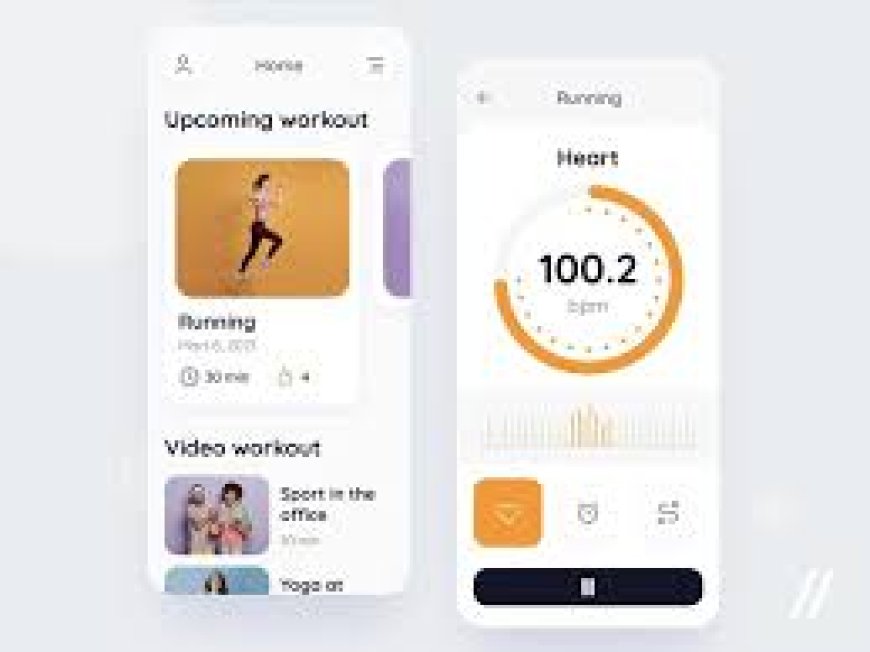
The fitness industry has experienced a seismic shift. Gone are the days when fitness tracking meant pen-and-paper logs or basic stopwatch apps. The introduction of Artificial Intelligence (AI) and the Internet of Things (IoT) has given birth to smart fitness appspowerful tools that go beyond counting steps or logging workouts.
While traditional fitness apps offered simple utilities, smart apps leverage real-time data and machine learning to deliver a deeply personalized health and wellness experience. As this evolution unfolds, more businesses are turning to an experienced Fitness App Development Company to help them stay competitive in this high-tech race.
So, what makes smart fitness apps so transformative? And how exactly do they stack up against their traditional counterparts? Lets dive in.
Understanding Traditional Fitness Apps
Before smart technologies entered the scene, fitness apps primarily functioned as digital notebooks. These apps allowed users to:
-
Log exercises manually
-
Track calories using static databases
-
Monitor weight or BMI occasionally
-
Follow generic workout plans
-
Set basic goals without feedback
While useful at the time, these tools had one major limitation: they couldnt adapt to user behavior or real-time health data. This static nature made them less engaging and often ineffective in the long term.
The Rise of Smart Fitness Apps
Enter AI and IoT. These technologies have taken fitness apps from static tools to dynamic personal trainers, capable of evolving with the user. Heres how:
AI-Powered Personalization
AI allows smart fitness apps to create customized workout and nutrition plans by analyzing vast amounts of user datasuch as heart rate, sleep, stress levels, age, fitness history, and preferences. Unlike traditional apps, which treat every user the same, smart apps learn from each workout to improve future recommendations.
IoT-Enabled Real-Time Feedback
IoT devices like smartwatches, wearable ECGs, motion sensors, and fitness trackers connect with smart apps to provide a live feed of user activity. This allows:
-
Instant feedback on form and technique
-
Real-time heart rate zone monitoring
-
Step-by-step voice coaching
-
Sleep tracking and recovery analytics
The result is a truly immersive and intelligent fitness experience.
Smart vs Traditional: Key Differences at a Glance
|
Feature |
Traditional Fitness Apps |
Smart Fitness Apps (AI & IoT) |
|
Workout Plans |
Pre-set, generic |
Adaptive, AI-tailored |
|
Data Input |
Manual entry required |
Auto-tracked via wearables |
|
Feedback |
Limited or static |
Real-time, personalized |
|
Diet & Nutrition |
General meal logs |
Smart recommendations, AI calorie tracking |
|
Motivation |
Basic reminders |
Behavioral nudges, gamification, coaching |
|
Health Integration |
Rare |
Full integration with IoT (heart rate, sleep, etc.) |
|
Evolution Over Time |
Stagnant |
Learns and grows with user |
The Psychology of User Engagement
Traditional apps often fail to keep users motivated because of their passive design. Without dynamic feedback, users quickly lose interest. Smart apps, on the other hand, engage users emotionally and behaviorally. AI tools monitor user fatigue, plateau, or inconsistencyand respond with motivational nudges, smart rewards, or encouragements.
Furthermore, gamificationpowered by AI insightskeeps users coming back. Challenges, community support, personalized badges, and real-time comparisons inject the fun back into fitness.
Better Health Outcomes Through Data Insights
Smart fitness apps dont just trackthey analyze. AI examines long-term health data for trends. For example, it might notice signs of overtraining, flag abnormal heart rate patterns, or recommend rest days based on recovery metrics.
This predictive capability transforms an app from a tool into a health companionsomething traditional apps cannot compete with.
Security, Privacy, and Responsibility
Of course, with great power comes great responsibility. Smart apps deal with sensitive biometric and personal data. This is why its essential for developers and businesses to choose a Fitness App Development Company that understands HIPAA compliance, GDPR regulations, and other privacy standards.
Data encryption, secure APIs, and user consent mechanisms are no longer optionaltheyre standard practice in modern fitness app ecosystems.
Why Businesses Must Adapt to Smart Technology
For fitness centers, wellness brands, or digital health startups, offering a traditional app today is like showing up to a Formula 1 race on a bicycle. Users now demand more:
-
Real-time performance insights
-
AI coaching that evolves with them
-
Seamless integration with wearables
-
Smart diet and health tracking
-
Holistic mental and physical wellness features
Businesses that dont keep up risk becoming obsolete. The best way to navigate this new terrain is to partner with a Fitness App Development Company that understands both cutting-edge tech and user psychology.
Conclusion: The Future Is Smart and Connected
AI and IoT have permanently changed the fitness landscape. While traditional apps played a crucial role in early digital fitness, theyre no match for the intelligent, responsive, and personalized features of smart fitness apps.
For users, this means better results, improved motivation, and a more enjoyable experience. For businesses, it means an opportunity to innovate and stand outif they make the right investments now.
Looking to build a smart, scalable, and engaging fitness app?
Partner with a trusted Fitness App Development Company that delivers end-to-end innovation.
Contact Adequate Infosoft at +91-120-4198878 today to get started on your future-ready fitness app.





![Play99 Login & Registration Guide for Indian Users [2025 Update]](https://www.atlantanewsplus.com/uploads/images/202507/image_140x98_6870c1df7bfcd.jpg)