























Stitched with Struggle: The Story Behind Denim Tears
Denim Tear is the Official Store with the Denim Tears Clothing And Choose your favorite one from our store in your Budget. New Collection 2025.

Denim is more than fabric. It's history, identity, resistance, and transformation. And no brand captures this ethos more powerfully than Denim Tears, the brainchild of creative visionary Tremaine Emory. Through every thread and wash, Denim Tears tells stories of denim tear Black culture, pain, resilience, and pride stories too often erased or ignored in mainstream fashion. This is not just streetwear. It is protest, poetry, and purpose stitched into denim.
The Birth of Denim Tears: A Brand Rooted in History
Denim Tears was officially launched in 2019, but its roots stretch far deeper into Tremaine Emorys lived experiences as a Black man growing up in the United States. Emory, who previously worked with brands like Kanye Wests Yeezy, Off-White, and Supreme, saw the glaring absence of Black historical narrative in fashion especially within American heritage brands. Denim Tears was his response.
Rather than focusing solely on aesthetics, Emory sought to use clothing as a form of storytelling, a wearable museum of Black experience. His pieces serve as visual essays, exploring themes like slavery, migration, cultural expression, and systemic injustice. He didnt just want to make clothes. He wanted to make statements.
The Iconic Cotton Wreath Jeans: More Than a Design
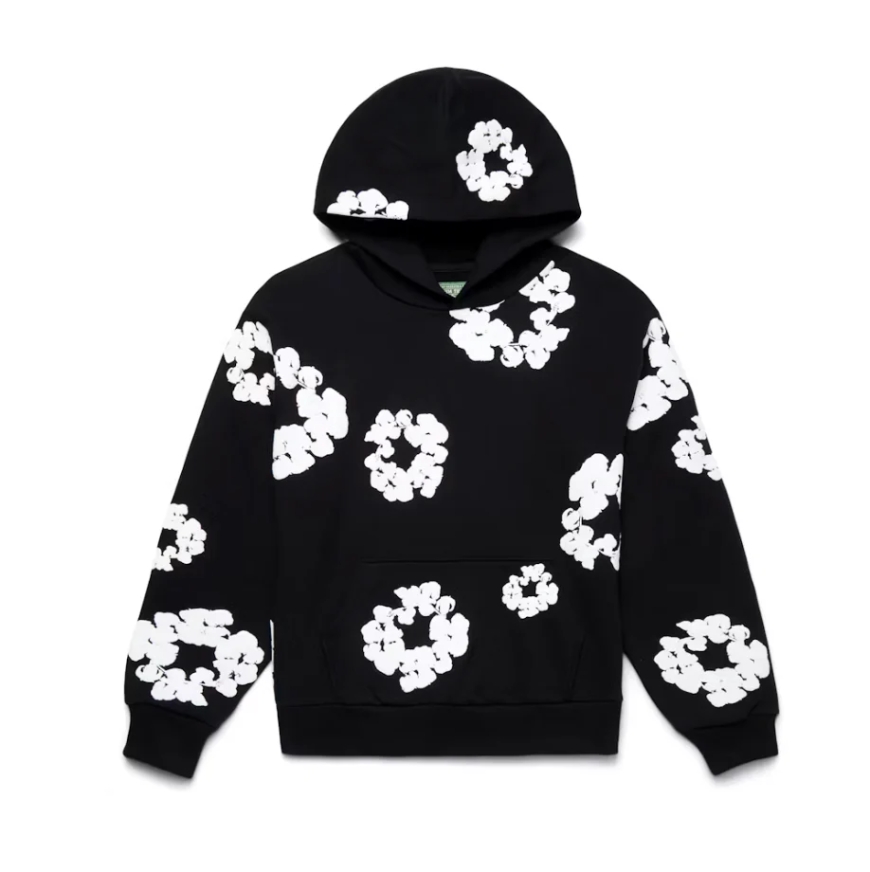
The most recognizable emblem from Denim Tears is the cotton wreath motif emblazoned on jeans, jackets, and hats. At a glance, it might look like a simple floral pattern, but its symbolism is profound. The cotton wreath directly references the legacy of slavery in America a painful reminder that cotton, one of the foundational crops of American wealth, was picked by enslaved Black people under brutal conditions.
This visual statement forces the viewer to confront an uncomfortable truth: that much of America's prosperity was built on Black labor and suffering. Emory has said that the cotton wreath is a symbol not only of slavery, but also of survival a nod to the generations of Black people who endured, resisted, and ultimately shaped American culture through music, art, style, and strength.
Tremaine Emory: Designer, Storyteller, Activist
To understand Denim Tears, you must understand Tremaine Emory. He is not a traditional fashion designer but rather a cultural architect. Emory is part of a new generation of Black creatives who are rewriting the rules of fashion, moving beyond seasonal drops and commercial trends to create work that speaks to identity and justice.
Emory once described Denim Tears as "a spiritual project," and his work lives up to that ambition. Whether he's collaborating with Levis to release limited-edition jeans made in homage to enslaved Africans or releasing zines and photo essays alongside his collections, Emory remains committed to multi-layered storytelling. For him, fashion is not a product its a platform.
Denim Tears and the Legacy of Resistance
Every collection from Denim Tears can be read as a political act. In 2020, during the peak of the Black Lives Matter protests, Denim Tears released pieces that explicitly addressed state violence, historical erasure, and the need for cultural accountability. The timing wasn't opportunistic it was deliberate. Emory used his platform to amplify messages of solidarity, grief, and radical hope.
The brand's connection to resistance goes beyond slogans or imagery. It is embedded in its fabric literally and figuratively. By centering Black history in its collections, Denim Tears reclaims narratives and resists the fashion industrys tendency to appropriate Black culture without honoring its roots.
Collaborations That Speak Volumes
Denim Tears has collaborated with iconic American brands like Levis, Converse, and UGG. These partnerships are carefully curated not just for reach but for resonance. When Denim Tears and Levis came together, the collection wasnt a typical denim drop. It was a tribute to the lives of enslaved Africans, with campaign visuals shot in Ghana and Mississippi to bridge the diasporic gap.
The Converse collaboration took the brands messaging to the streets literally through Chuck Taylor sneakers adorned with the cotton wreath and African American flag motifs. Each pair became a walking piece of protest, worn proudly by a new generation of activists and artists.
Through these collaborations, Emory has shown that streetwear can be both commercial and critical, fashionable and formidable. Hes proving that brands can and should take a stand.
Fashion as Archive, Fashion as Weapon
Denim Tears operates in the space between memory and movement. It is an archive of Black pain and power, of generational trauma and creative transcendence. The brand doesnt just reflect culture it shapes it. By spotlighting the stories left out of textbooks and runways alike, Denim Tears becomes a vessel for communal memory.
Fashion has always been political, but Emory ensures that it is also educational. The narratives woven into each Denim Tears piece challenge the consumer to think, to question, to learn. In a society obsessed with fast fashion and fleeting trends, Emorys work is a slow-burning fire steady, unflinching, illuminating.
Cultural Impact and Future Vision
Denim Tears has already made its mark on fashion, but its influence extends far beyond style. The brand has inspired a new generation of Black designers to prioritize authenticity and history. It has sparked conversations about representation, appropriation, and the responsibilities of creatives in cultural spaces.
Tremaine Emory continues to lead with vision and integrity. As Creative Director of Supreme (until 2023) and through ongoing projects under Denim Tears, he is shaping the future of fashion with clarity of purpose. His work reminds us that design is not neutral its an act of choice, of voice, of defiance.
Looking ahead, Denim Tears shows no signs of slowing down. With each collection, the brand deepens its commitment to truth-telling and world-building. Emory is not interested in fleeting hype; hes building a legacy. And that legacy is stitched with struggle, yes but also with hope, memory, and pride.
Conclusion: Wearing Our History
Denim Tears is not just about what you wear. It's about what you carry with you the stories, the scars, the spirit. It asks us to remember, Denim Tears Hoodie to reflect, and to resist. In a world where fashion often forgets its roots, Denim Tears reminds us to dig deep.
Tremaine Emory has shown that clothing can be more than decoration it can be declaration. Denim Tears isnt just a brand. Its a movement stitched into every seam.


![Play99 Login & Registration Guide for Indian Users [2025 Update]](https://www.atlantanewsplus.com/uploads/images/202507/image_140x98_6870c1df7bfcd.jpg)