
























Transform Your Workspace with Smart Office Furniture Choices

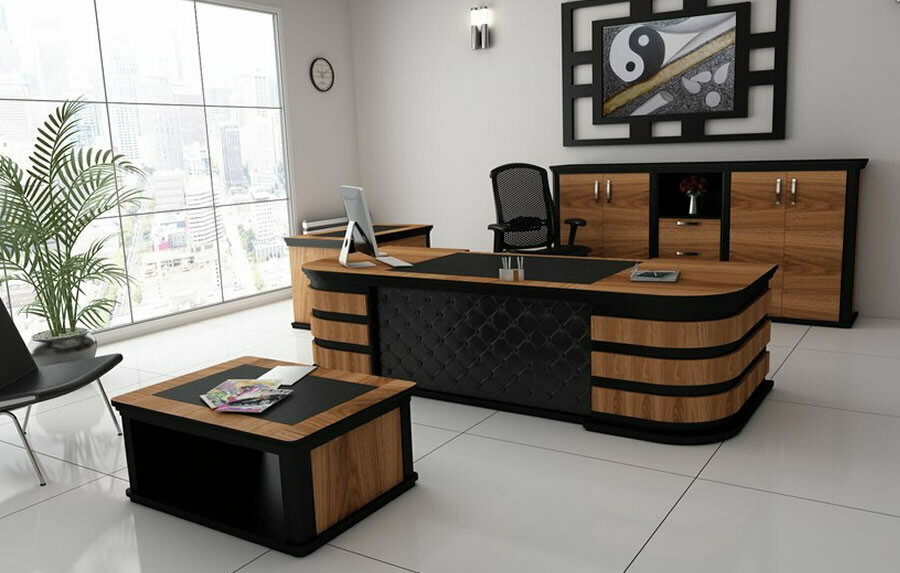
In todays fast-paced corporate environment, the workspace is more than just a place where tasks are performedits a reflection of your brand, work culture, and productivity standards. Whether its a corporate office, home office, or coworking space, choosing the right office furniture plays a critical role in shaping a professional and comfortable environment. From ergonomic chairs to adjustable desks and storage solutions, well-designed furniture not only enhances the aesthetics of your space but also significantly contributes to employee well-being and operational efficiency. With the rise of remote work and hybrid models, the demand for functional, adaptable, and space-saving office furniture has surged. Companies are now looking for office furniture that blends form and functionsolutions that are easy to reconfigure as needs evolve. Modern furniture design also incorporates elements like cable management, acoustic performance, and modularity to support dynamic workstyles and collaboration.
The Importance of Ergonomics in Office Furniture Selection
Ergonomics is not just a trendy termit is essential to ensuring the long-term health and performance of employees. Poorly designed furniture can lead to back pain, neck strain, carpal tunnel syndrome, and even mental fatigue. On the other hand, ergonomic office furniture supports natural posture, promotes movement, and reduces physical stress during long work hours. Height-adjustable desks, chairs with lumbar support, and monitor arms are popular ergonomic upgrades that provide customizable comfort. Adjustable armrests, seat depth options, and breathable materials in chairs are also critical when creating an ergonomically friendly workspace. Companies that invest in ergonomically designed office furniture often experience a reduction in absenteeism and an increase in employee satisfaction, productivity, and retention. This reinforces the idea that health-conscious furniture is not just a luxury but a strategic investment in workforce performance.
Choosing Office Furniture That Enhances Productivity
One of the key considerations in furniture planning is how it impacts employee productivity. Office layouts and furniture types significantly influence how people work, communicate, and concentrate. For instance, open-plan spaces benefit from partitions, acoustic panels, and individual desks that maintain a sense of privacy while supporting collaboration. High-back chairs in meeting rooms can boost concentration and focus, while standing desks in shared areas can foster spontaneous discussion and idea-sharing. Color schemes, lighting integration, and material selection also play roles in boosting mood and motivation. Natural wood textures, greenery integration, and pastel tones in furniture can uplift the ambiance, making the office space more inviting and conducive to creative thinking. By aligning office furniture design with work processes and psychological comfort, organizations can create environments that empower employees to perform their best.
Trends Shaping Modern Office Furniture Designs
The modern workplace has witnessed a shift from rigid cubicles to flexible and collaborative spaces. This transformation is driven by evolving workforce demographics, technological advancements, and the emphasis on mental wellness. Office furniture is now designed to accommodate this evolution. Modular furniture is gaining popularity for its adaptabilityit allows organizations to rearrange workspaces without major disruption. Another trend is the integration of technology into furniture. Desks with built-in charging ports, cable routing systems, and wireless device compatibility are increasingly in demand. Sustainability is another big trend. Eco-friendly furniture made from recycled materials or responsibly sourced wood is becoming a preferred choice among environmentally conscious companies. Additionally, multipurpose furniturelike desks that convert into whiteboards or storage ottomans that double as seatsshowcases the push toward space efficiency. These trends not only reflect a modern aesthetic but also underline the need for workplace functionality and future-readiness.
Office Furniture for Small Businesses and Home Offices
Small businesses and remote workers have unique challenges when it comes to outfitting their workspaces. Limited space, budget constraints, and multifunctionality are key concerns. Fortunately, todays office furniture market offers a wide range of compact, affordable, and stylish options designed specifically for smaller environments. Foldable desks, wall-mounted shelves, and stackable chairs help maximize limited square footage. Mobile furniture, like wheeled desks and rolling storage units, allow for easy reconfiguration as space needs change. For home offices, aesthetics often play a bigger role because the furniture must blend with residential decor. Sleek minimalist desks, ergonomic task chairs, and low-profile bookshelves are popular choices that offer function without compromising on style. Additionally, sound-absorbing panels or privacy screens are being used to transform open living areas into productive work zones. By investing in smart furniture, even the smallest workspace can become a powerful productivity hub.
How Office Furniture Affects Brand Image and Client Perception
Furniture is not just about internal operationsits also a major factor in how your brand is perceived by visitors, clients, and potential partners. When someone walks into your office, the furniture speaks volumes about your companys culture, attention to detail, and professionalism. Sleek executive chairs, polished meeting tables, and organized storage units convey trust and competence. Reception areas, in particular, are critical zones where first impressions are formed. A modern reception desk paired with stylish seating instantly projects confidence and forward-thinking. Creative industries may prefer bold, colorful furniture that reflects innovation, while legal or financial firms may opt for traditional, understated pieces to evoke stability. Ultimately, your choice of office furniture is an extension of your branding strategyits visual communication in physical form.
Planning and Budgeting for Office Furniture Investments
Creating a well-furnished office doesnt have to break the bank. With proper planning and prioritization, you can get maximum value out of your furniture investment. Start by assessing your needs based on team size, workflow, and space layout. Focus on quality over quantity, especially for high-use items like chairs and desks. Consider phased purchases to spread costs over time or take advantage of package deals from furniture suppliers. Refurbished and second-hand furniture is also a viable option if sourced from reputable vendors. Always factor in long-term usability and maintenance costs when comparing options. Choose materials that are durable, easy to clean, and resistant to wear. Its also wise to allocate part of your budget for ergonomic upgrades to reduce future healthcare-related expenses. A well-planned office furniture strategy aligns your financial goals with your workspace vision.
Conclusion: Office Furniture Is the Foundation of a Productive Workplace
The modern work environment demands more from office furniture than ever before. It must be flexible, ergonomic, sustainable, and visually appealingmeeting the practical and emotional needs of a diverse workforce. Whether youre furnishing a corporate office, a co-working hub, or a small home workspace, the furniture you choose has a direct impact on productivity, well-being, and brand identity. By understanding the latest trends and aligning them with your unique requirements, you can create an office that inspires excellence. For those looking to make a smart investment in their workspace, the brand office furniture offers solutions that combine quality, design, and affordability to elevate your professional environment.



![Play99 Login & Registration Guide for Indian Users [2025 Update]](https://www.atlantanewsplus.com/uploads/images/202507/image_140x98_6870c1df7bfcd.jpg)