

























Who Built Mysore Palace? Discover the Royal Legacy
Explore the story of who built Mysore Palace, its history, architecture, and significance. Dive deep into the majestic monument that defines Mysore’s royal heritage and grandeur.
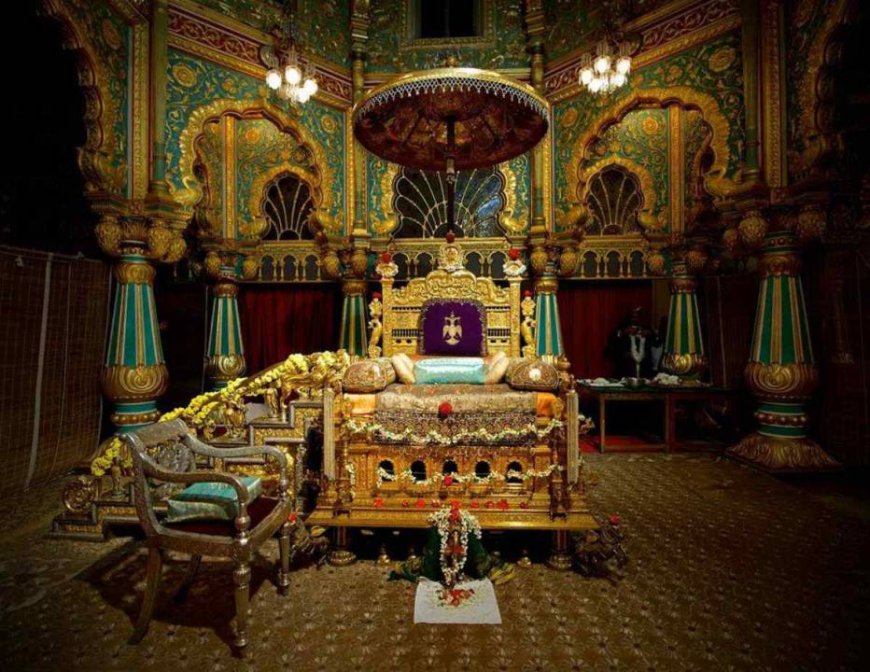
Nestled in the heart of the cultural city of Mysore in Karnataka, the Mysore Palace is one of Indias most iconic architectural wonders. Every year, millions of tourists visit this majestic monument, drawn by its intricate design, royal aura, and historical significance. But among the many questions visitors have, one always stands out who built Mysore Palace? To answer this, we must delve into the fascinating history, legends, and architectural brilliance that shaped this enduring symbol of royalty.
Mysore Palace History: A Tale of Fire and Rebirth
The Mysore Palace, also known as the Amba Vilas Palace, has a history that stretches back several centuries. The Wodeyar dynasty, which ruled the Kingdom of Mysore for over 500 years, commissioned several iterations of the palace over the years. The original palace was built in the 14th century but was later demolished and rebuilt multiple times. In 1897, the wooden palace was tragically destroyed in a fire during a royal wedding ceremony. This event marked a turning point in the mysore palace history, as it led to the construction of the current grand structure that we see today.
Who Built Mysore Palace: The Architect and Patron
To directly answer the question of who built Mysore Palace, it was Maharaja Krishnaraja Wodeyar IV who commissioned the construction of the present-day palace. The architectural design was entrusted to Henry Irwin, a British architect known for his expertise in Indo-Saracenic architecturea style that blends Hindu, Mughal, Rajput, and Gothic elements. Construction began in 1897 and was completed in 1912 at a then-staggering cost of ?41 lakhs. This collaboration between the visionary Indian ruler and a skilled British architect resulted in a palace that seamlessly merged tradition with innovation.
About Mysore Palace: A Fusion of Styles and Cultures
To truly understand about Mysore Palace, one must explore its unique design. The palace is a breathtaking blend of Indo-Saracenic architecture, adorned with intricately carved wooden doors, marble halls, stained glass ceilings, and gilded domes. The three-story stone structure is topped with a five-story tower covered in pink marble domes. Inside, it houses lavish courtyards, durbar halls, marriage pavilions, and intricately painted corridors that transport you to an era of regal luxury.
The palace is especially known for its ornate interiors, featuring rich colors, carved columns, and frescoes depicting scenes from the epics Ramayana and Mahabharata. The exquisite mosaic flooring, Belgian crystal chandeliers, and gold-plated ceilings all speak volumes about the taste and wealth of the Wodeyars. These artistic details elevate the palace beyond a royal residence into a museum of architectural grandeur.
Mysore Palace Built By a Visionary Ruler
The present-day mysore palace built by Maharaja Krishnaraja Wodeyar IV is more than a structureit is a reflection of his vision for a modern and culturally vibrant Mysore. Revered as one of the most enlightened rulers of his time, the Maharaja was instrumental in ushering in an era of development in arts, culture, and infrastructure in Mysore. His decision to rebuild the palace after the 1897 fire was a defining moment in the citys history. He ensured that it would not only serve as a royal residence but also as a symbol of pride and unity for the people of Mysore.
Mysore Palace Information for Visitors
For those seeking mysore palace information, it is located in the center of Mysore city, making it easily accessible from all parts of Karnataka. The palace is open to visitors every day, with guided tours available to explain the history and significance of each section. The best time to visit is during the Dasara festival in October when the palace is illuminated with over 100,000 light bulbs, transforming it into a glittering jewel under the night sky. The palace complex also houses several temples, gardens, and museums that provide deeper insights into Mysores royal heritage.
Photography is allowed only in certain parts of the palace, and footwear must be removed before entering. A small entry fee is charged, and audio guides are also available in multiple languages to enhance the visitor experience. This monument isnt just a tourist attraction; its an enduring chapter in Indias royal narrative.
Where is Mysore Palace and How to Reach
Wondering where is Mysore Palace? It is centrally located on Sayyaji Rao Road in Mysore, Karnataka. Mysore is well-connected by road, rail, and air. The nearest airport is Mysore Airport, just about 12 kilometers from the palace. The city is also just a three-hour drive from Bangalore, making it a perfect weekend getaway destination. Public transportation like buses, autos, and taxis are easily available to reach the palace from any part of the city. With Mysores clean and scenic surroundings, even the journey to the palace becomes part of the experience.
Conclusion: A Living Monument of Heritage
The Mysore Palace stands today not just as a royal residence, but as a living monument that embodies the spirit of a bygone era. It tells the story of a kingdom that valued art, architecture, and cultural fusion. From the ashes of a devastating fire rose a structure that continues to captivate millions with its elegance and historical depth. Now that you know who built Mysore Palace, it becomes even more meaningful to walk its halls, admire its design, and feel the legacy of the Wodeyars that continues to inspire generations.
Whether you're a history enthusiast, a lover of architecture, or a curious traveler, a visit to Mysore Palace offers more than just beautyit offers a timeless journey into the heart of South Indias royal past.






![Play99 Login & Registration Guide for Indian Users [2025 Update]](https://www.atlantanewsplus.com/uploads/images/202507/image_140x98_6870c1df7bfcd.jpg)