Why HACCP Certification Is Your Golden Ticket to Global Food Trade

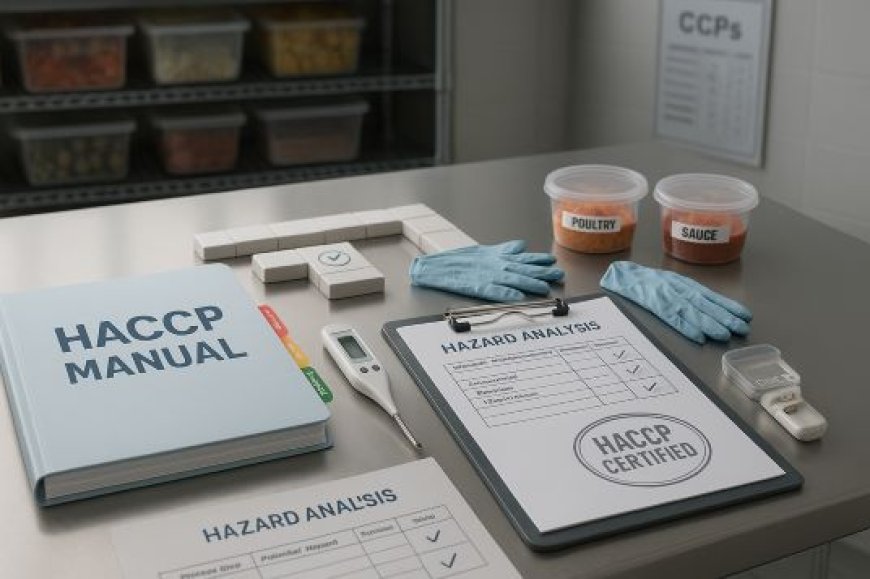
Imagine youre a food importer, standing at the edge of a bustling international market. Your crates of premium olive oil or exotic spices are ready to ship, but theres a catchwithout the right credentials, those crates might as well be paperweights. Thats where HACCP certification comes in. Its not just a piece of paper; its your passport to trust, quality, and access in the global food trade. For businesses moving goods across borders, Hazard Analysis and Critical Control Points (HACCP) is the key to unlocking markets that demand the highest safety standards. So, why should you care, and what makes HACCP so critical? Lets break it down.
What Is HACCP, Anyway?
HACCP stands for Hazard Analysis and Critical Control Points. Sounds technical, right? Its really just a systematic way to spot risks in food production and stop them before they become problems. Think of it like a chef tasting the soup at every step to make sure its safe and delicious before serving it. For food importers and exporters, HACCP is the framework that ensures your productswhether its frozen shrimp or artisanal cheesesmeet stringent safety expectations.
The process involves identifying potential hazards (biological, chemical, or physical) and setting up controls to prevent them. Its proactive, not reactive. Youre not waiting for a customer to find a problem; youre making sure it never happens. And when youre shipping goods across oceans, where every country has its own rules, that kind of foresight is gold.
Why HACCP Matters for Global Trade
Heres the thing: international markets dont mess around when it comes to food safety. Without HACCP certification, your products might get stuck at customs, rejected, or worse, banned. Can you imagine the cost of a rejected shipment? Not just dollars, but the hit to your reputation?
HACCP is like a universal language for food safety. It tells buyers, distributors, and governments that youve done your homework. Your products arent just tasty; theyre safe. For exporters, this means smoother entry into markets that might otherwise slam the door shut. For importers, its assurance that the goods youre bringing in wont land you in hot water with your customers or regulators.
A Quick Story from the Trenches
I heard about a small coffee exporter from Ethiopia who spent months perfecting their roast for a European buyer. The beans were top-notch, the packaging was gorgeous, but when the shipment arrived, it was turned away. Why? No HACCP certification. The buyer couldnt take the risk, and the exporter lost the deal. Thats the kind of heartbreak HACCP prevents. Its not just about safetyits about keeping your business moving.
The Business Case: Trust and Market Access
Lets talk dollars and sense for a second. HACCP certification isnt just about avoiding disasters; its about building trust. When your business is HACCP-certified, youre telling the world you take safety seriously. Thats a big deal for importers and exporters, who often deal with partners theyve never met face-to-face. A certification is like a handshake across continentsit says, You can count on us.
Plus, it opens doors. Markets like the EU and North America often require HACCP or equivalent systems for food imports. Without it, youre locked out of some of the most lucrative markets in the world. And even in less strict markets, buyers prefer certified suppliers because it reduces their risk. Wouldnt you rather work with someone whos proven theyve got their act together?
A Competitive Edge
Heres a little secret: HACCP can set you apart from the competition. In a crowded market, where everyones claiming their product is the best, certification is proof you walk the talk. Its like having a Michelin star for safety. Buyers notice, and theyre more likely to choose you over a competitor whos cutting corners. For small businesses especially, this can be the edge that turns a one-time deal into a long-term contract.
How HACCP Works in the Real World
So, what does HACCP look like in action? Picture a seafood exporter in Thailand. Their shrimp goes through a journeycatching, cleaning, freezing, packing, and shipping. At every step, theres a chance for something to go wrong: bacteria from improper cleaning, contamination from a dirty conveyor belt, or spoilage from a broken freezer. HACCP maps out these risks and sets up checkpoints to catch them early.
For example:
Hazard Identification: Spotting that a freezer malfunction could lead to bacterial growth.
Control Points: Setting a specific temperature range for storage and monitoring it constantly.
Verification: Regularly testing the shrimp to ensure no contaminants sneak through.
This isnt just paperworkits a mindset. Its about building a system where safety is baked into every step, not tacked on at the end. For importers, this means youre bringing in goods you can stand behind. For exporters, its about delivering products that make buyers come back for more.
The Emotional Weight of Food Safety
You know what? Food safety isnt just about scienceits personal. Think about it: every bite someone takes is an act of trust. Whether its a kid eating a snack or a chef plating a dish, theyre trusting that the food wont make them sick. As an importer or exporter, youre part of that chain of trust. HACCP helps you keep that promise, and thats a responsibility worth taking seriously.
I remember chatting with a friend who runs a small import business. She told me about a scare where a batch of canned tomatoes tested positive for a contaminant. Her team caught it early, thanks to their HACCP system, but the stress of knowing what couldve happened stuck with her. Its not just business, she said. Its peoples lives. Thats the kind of weight HACCP helps you carry.
Challenges and Misconceptions
Now, lets be realHACCP isnt a walk in the park. Setting up a system takes time, effort, and sometimes a bit of cash. For small businesses, especially in developing countries, that can feel daunting. You might think, Ive been doing fine without itwhy bother? But heres the flip side: the cost of not having HACCP can be way higher. A single rejected shipment or a safety scandal can tank your business faster than you can say recall.
Another misconception is that HACCP is just for big players. Not true. Whether youre a family-run spice exporter or a multinational food importer, HACCP scales to fit your operation. Its not about size; its about commitment. And honestly, once youve got the system in place, its less about jumping through hoops and more about running a tighter ship.
A Seasonal Twist
This time of yearmid-June, with summer markets heating upHACCP becomes even more critical. Demand for fresh produce, seafood, and specialty foods spikes, and so does scrutiny. Buyers want to know their summer shipments are safe, especially for perishable goods. Getting certified now could mean youre ready to capitalize on the seasons opportunities, while others are still scrambling.
HACCP as a Culture, Not Just a Checkbox
Heres where things get interesting. HACCP isnt just a certification you slap on your websiteits a way of thinking. Its about building a culture where everyone, from the warehouse worker to the CEO, prioritizes safety. For importers and exporters, this mindset is a game-changer. It means fewer surprises, smoother operations, and happier customers.
Think of it like a recipe. You can have all the ingredientsgreat products, slick packaging, killer marketingbut if you skip the step of ensuring safety, the whole dish falls apart. HACCP is the step that ties it all together, ensuring your business delivers not just flavor, but trust.
Wrapping It Up: Your Next Step
So, where do you go from here? If youre an importer or exporter, HACCP certification isnt just a nice-to-haveits a must. Its your ticket to global markets, your shield against costly mistakes, and your promise to customers that youve got their back. The process might seem like a lot at first, but once its in place, its like having a superpower: the ability to move goods with confidence, anywhere in the world.
Why wait for a rejected shipment or a missed opportunity to force your hand? Start exploring HACCP today. Talk to your team, look into training, and find a certification body that fits your needs. The global food trade is waiting, and with HACCP, youre ready to take it on.



-1744728435835.webp)


![Play99 Login & Registration Guide for Indian Users [2025 Update]](https://www.atlantanewsplus.com/uploads/images/202507/image_140x98_6870c1df7bfcd.jpg)