
























Leh Palace Ladakh: A Journey Through Time and Majesty
Discover the majestic Leh Palace Ladakh, a stunning architectural marvel that narrates the glorious past of Ladakh through its royal structure, panoramic views, and timeless charm.
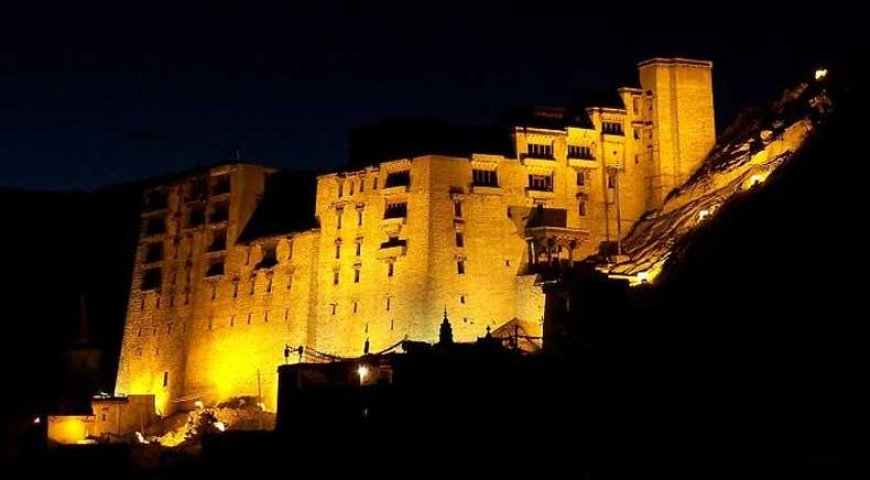
Nestled in the heart of the Himalayas, amidst the rugged terrains and deep blue skies of Ladakh, stands a magnificent reminder of the regions royal legacy the Leh Palace Ladakh. This awe-inspiring monument not only tells stories of Ladakh's regal past but also offers visitors a unique glimpse into Tibetan-style architecture, panoramic mountain views, and the enduring spirit of the Himalayas.
The Historical Roots of Leh Palace
The Leh Palace, also known as Lachen Palkar Palace, was built in the 17th century by King Sengge Namgyal, a ruler of the Namgyal dynasty who was instrumental in shaping Ladakhs cultural and political history. The palace served as the royal residence for several decades, standing tall as a symbol of power and prestige in the region. Modeled after the famous Potala Palace in Lhasa, Tibet, the Leh Palace is a fine example of medieval Tibetan architecture that still retains its grandeur despite years of weathering and neglect.
Constructed with locally sourced materials like stones, wood, and mud, the palace reflects a remarkable blend of strength and elegance. With nine stories, the palace once accommodated the royal family on the upper floors, while the lower levels housed stables and storage rooms. Each level was thoughtfully designed to reflect the needs and lifestyle of the royals, making the structure both functional and symbolic.
Architecture and Design That Inspire Awe
Walking through the corridors of the Leh Palace, one can immediately sense the architectural brilliance that has gone into creating such a magnificent structure in a remote and harsh environment. The thick walls of the palace are designed to withstand the biting cold of Ladakh winters, while the intricately carved wooden balconies and windows offer glimpses of the expansive landscape that surrounds it.
The use of mud plaster not only adds to the insulation but also blends the palace seamlessly with the surrounding mountains, creating a visually stunning sight. The design, although simple in its materiality, exudes a charm that speaks volumes about the ingenuity and artistry of ancient Ladakhi builders. Inside, some sections of the palace have been converted into a museum that displays centuries-old paintings, artifacts, ceremonial dresses, and photographs of the royal family each item telling a tale of glory and resilience.
Cultural Significance and Spiritual Influence
The Leh Palace is more than just an architectural wonder; it is also a cultural hub that reflects the deeply spiritual nature of Ladakhi society. Located near important monasteries such as Namgyal Tsemo Gompa and Shanti Stupa, the palace sits within a network of sacred sites that add to its significance.
During festivals like Namgyal Tsemo Festival and Dosmoche, the palace becomes a vibrant focal point of celebration and tradition. Monks, locals, and tourists gather to witness ancient rituals, colorful dances, and traditional music transforming the once royal halls into a living museum of culture and faith. In this way, the Leh Palace continues to bridge the past and present, offering a unique blend of spirituality and history that captivates every visitor.
The Spectacular Palace View in Leh
One of the most unforgettable experiences at the Leh Palace is the palace view Leh offers from its balconies and rooftops. Perched high above the town, the palace provides sweeping views of Leh's old town with its clustered mud-brick houses, the winding roads leading toward the mountains, and the lush greenery that peeks through in summer.
As your eyes move further, the Stok Kangri range greets you with snow-capped majesty, and on a clear day, you can even spot parts of the Zanskar range. Sunrise and sunset are particularly magical times to visit, as the sun casts golden hues over the mountains and rooftops, bathing the entire scene in a warm, ethereal glow. For photographers, artists, and dreamers alike, this view is nothing short of a visual symphony.
Restoration and Preservation Efforts
Despite its historical and cultural significance, the palace had fallen into a state of disrepair over the centuries. However, in recent years, the Archaeological Survey of India (ASI) has taken steps to restore and preserve the structure. The restoration work focuses on strengthening the foundation, repairing walls, and restoring murals and paintings to their former glory.
These efforts are not just about preserving a building, but about keeping the spirit of Ladakh alive. With every restored wall and every repainted mural, a piece of history is brought back to life, offering new generations a chance to connect with their heritage. Visitors are encouraged to respect the space, not only as a tourist destination but as a living monument that holds immense emotional and historical value.
How to Reach the Palace Leh and Best Time to Visit
Reaching the palace Leh is relatively easy as it is located just above the main Leh town. A short but steep walk from the market area will lead you to the palace gates. For those not used to high altitudes, taking it slow and staying hydrated is important, as the thin air can be challenging.
The best time to visit is between May and September when the weather is pleasant and the skies are generally clear. During these months, not only is the palace more accessible, but the views are more vivid, and the cultural calendar of Ladakh is also at its peak with several festivals and events taking place.
The Timeless Appeal of Ladakh Palace Leh
Despite the march of time and modernity, the ladakh palace Leh continues to stand as a beacon of resilience and royalty. Its not merely a tourist attraction, but a place where history breathes through every wall, where the silence of the stone corridors speaks louder than words, and where every visitor leaves with a deeper sense of respect for Ladakhs rich heritage.
The palace leh is not just about what you see but what you feel the quiet dignity of an era gone by, the architectural brilliance of a remote mountain kingdom, and the spiritual essence that still lingers in the Himalayan breeze. Visiting the Leh Palace Ladakh is like stepping into a beautifully worn chapter of a history book, one that continues to live on through the eyes of those who explore it.







![Play99 Login & Registration Guide for Indian Users [2025 Update]](https://www.atlantanewsplus.com/uploads/images/202507/image_140x98_6870c1df7bfcd.jpg)